
Along the Becks: Walking Work, Stone, and Water
Step into Interactive Heritage Trails Along Yorkshire Becks: Mills, Packhorse Bridges, and Ford Crossings, where brisk water shapes memory and stone holds the mark of centuries. Explore living landscapes through maps, stories, and playful digital layers that invite you to listen, look closer, and wander kindly among hardworking streams, enduring arches, and time-polished shallows.
Where Streams Lead: Designing Immersive Routes
These walks weave together flowing water, old rights-of-way, and the gentle engineering that once powered villages. Using clear mapping, seasonal advice, and on-site interpretation, each route balances curiosity with care, guiding you between mills, packhorse arches, and fordable shallows while celebrating craftsmanship, trade, and the quiet resilience of Yorkshire’s beckside communities and habitats.
Reading the Landscape
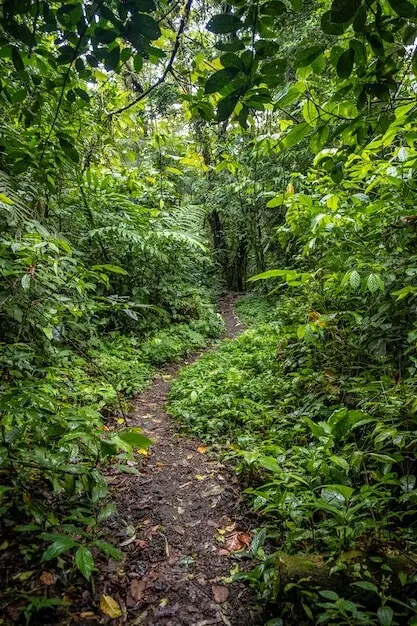
Start by noticing how the beck braids through pasture and woodland, listening for sluice whispers and spotting leveled platforms where wheels once turned. OS maps, lidar visualizations, and field signs reveal clues, letting each bend suggest connections between ruined millraces, narrow bridges, cart tracks, and stepping stones glinting beneath the shifting light.
Safety and Seasonality
Becks rise fast after rain, submerging stones and sharpening currents. Plan with river gauges, local advice, and flexible turn-backs. Winter reveals skeletal mill walls; summer hides paths behind nettles. Waterproof layers, a simple rope for balance, and patience turn hazards into wisdom, ensuring each crossing remains memorable for all the right reasons.
Wayfinding with Purpose
Waymarkers, QR posts, and audio beacons keep you anchored without smothering discovery. Short loops welcome families; longer ridge-and-dale circuits please seasoned legs. Each waypoint invites a question—why stones are chamfered, how wool once traveled, when fords were paved—so your map becomes a conversation between feet, water, and working memory.
From Millrace to Loaf and Cloth

Trace the course from weir to wheelhouse, hearing how cogs sang under load. One stop highlights corn milling, with hand-sifted flour stories; another explores fulling, where thunderous hammers softened woven wool. Each platform pairs artifact sketches with recipe notes, cloth samples, and thoughtful prompts linking hydropower to daily kitchens and wardrobes.
Interpreting Ruins with AR

Raise your phone and watch ghosted timbers, axle shafts, and shingled roofs reappear, aligned to surviving stone. Tappable hotspots unpack the difference between undershot and breastshot wheels. Night mode overlays lamplight and steam. A slider reveals decades of repair, reminding visitors that industry evolves like rivers, bending to needs and seasons.
Soundscapes of Labor
Slip on headphones to hear layered field recordings: millstones scuffing, sluice gates creaking, children trading secrets by sacks of grain. Interviews with descendants animate pay ledgers and accident notes. A simple rhythm exercise teaches how workers timed motions to water pulses, turning a technical force into communal cadence and livelihood.
Stone Backs and Narrow Ways: Packhorse Crossings
Before wagons ruled roads, trains of small horses threaded narrow arches, hauling wool, salt, and lead across quick becks. Low parapets spared panniers; ribbed cobbles gripped iron shoes. Interactive markers unpack route networks and toll customs while conservation notes explain how footfall, frost, and lichen test these beautifully stubborn structures.
Hydrology for Walkers
A pocket checklist teaches how to read current, color, and foam strings. Demonstrations show pole placements and diagonal approaches that keep knees dry. Seasonal AR overlays estimate depth from bank markers. Logging a safe traverse earns a digital pin, while cautionary tales underscore that backing out confidently can be genuine outdoor wisdom.

Traditions and Folklore
Stories link stones to courting games, Sunday shortcuts, and practical jokes involving cleverly misplaced planks. Place-names whisper at drownings avoided and oxen saved. Audio snippets from elders reframe crossings as social theaters where announcements traveled faster than water. Contributions welcomed: record your family’s river rules and we will add them respectfully.

Leave No Ripple
Protect spawning gravels, avoid trampling banks, and let silt settle before moving on. Simple actions—unpicking fishing line, closing gates, greeting farmers—earn community kudos. A short microhabitat guide highlights caddis cases, water crowfoot, and dippers, showing how careful footsteps preserve the thriving small dramas that make every beck irresistibly alive.
Interaction Layer: QR Stories, Augmented Time, and Playful Challenges
Technology here behaves like a considerate guide, surfacing context without stealing the view. QR plaques open bite-sized histories, AR rebuilds lost machinery, and geofenced audio introduces voices that belong. Optional challenges encourage sketching, careful measurements, and citizen logs, converting casual wanders into shared, evolving knowledge shaped by many attentive visits.
Community, Access, and Belonging by the Water’s Edge
These paths depend on trust between landowners, walkers, anglers, and volunteers. Clear guidance on rights-of-way pairs with invitations to share memories, donate time, and celebrate accessibility improvements. Inclusive design, quiet routes for sensory comfort, and translation options widen welcome. Together we keep stories flowing, habitats healthy, and crossings open to all.